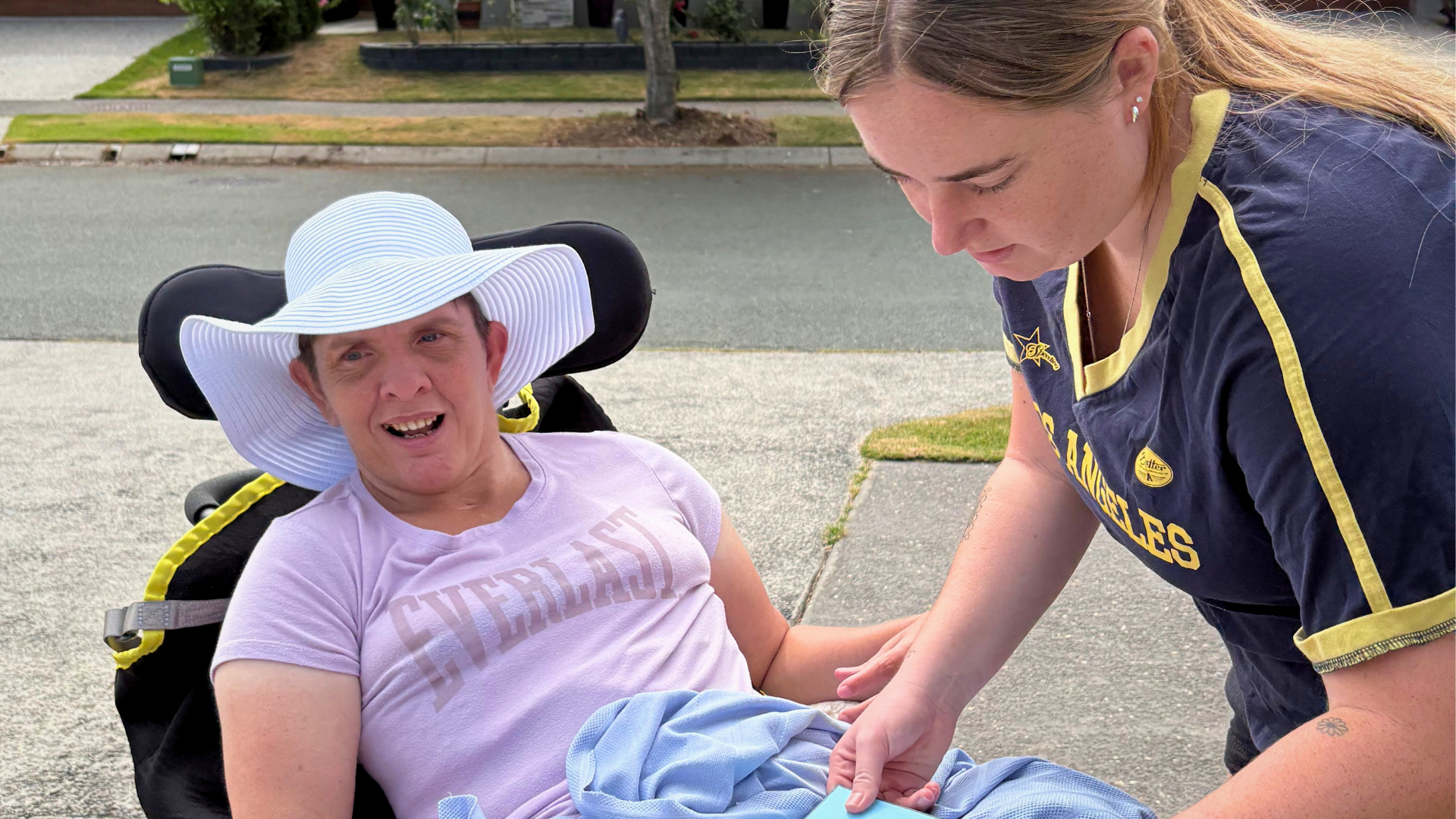
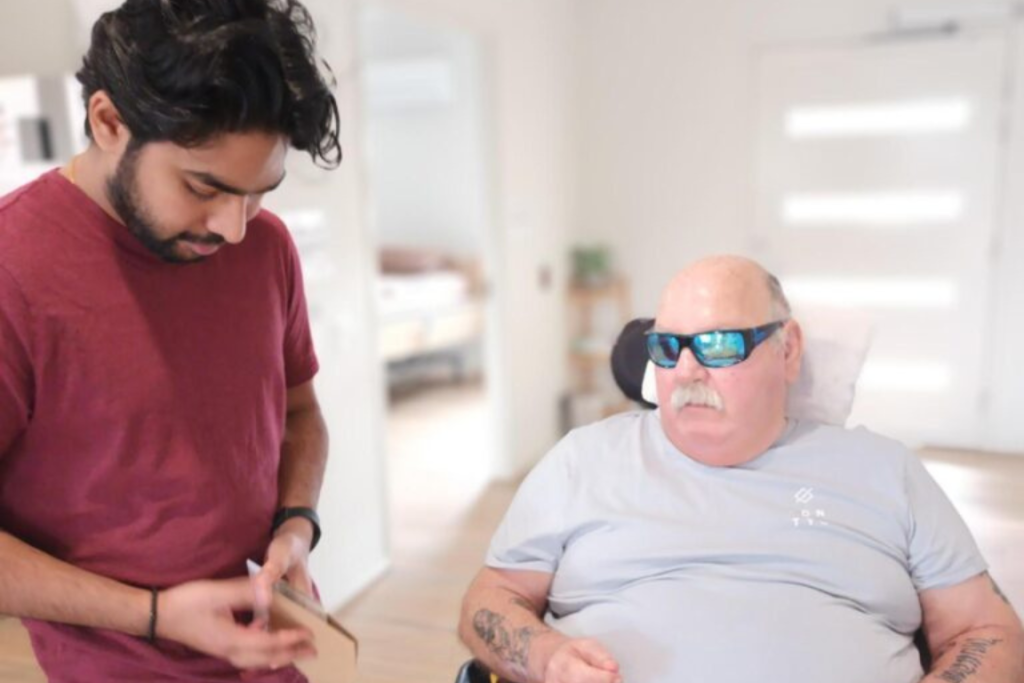
Making everyday living comfortable & safe for you.
AboutDaily Living and Assistance with Self-Care
About
Daily Living and Assistance with Self-Care
Daily Living and Assistance with Self-Care refers to the NDIS support provided to individuals who need help managing their day-to-day physical and domestic tasks. This support is essential for maintaining independence, and quality of life for the elderly, people with disabilities, or those recovering from illness.
Highlights of the Daily Living and Assistance with Self-Care Service
It empowers individuals to stay in their own homes comfortably.
The support reduces the risk of falls, malnutrition, and medication errors.
Routine social interaction with caregivers helps prevent loneliness and depression.
Professional assistance allows family members to balance their own lives while ensuring their loved one is cared for.
Support can range from occasional check-ins to 24-hour care, depending on the individual’s needs.
Examples include:
Hands-on Help:
Physical assistance with bathing, dressing, or feeding.
Supervision & Prompting:
Reminders to take medication or verbal guidance during a task to ensure safety.
Assistive Technology:
Using tools like shower chairs, reachers, or automated medication dispensers.
Environmental Changes:
Home modifications like installing grab bars or ramps to improve safety.
The tasks under Daily Living and Assistance with Self-Care are primarily divided into two categories:
1. Basic Activities of Daily Living (ADLs)
These are the fundamental self-care tasks required for physical survival and personal hygiene.
2. Instrumental Activities of Daily Living (IADLs)
These are more complex tasks that allow a person to live independently within their community.
Who can benefit from Daily Living and Assistance with Self-Care?
Older Adults (Seniors)
As people age, natural declines in mobility, strength, and memory can make daily routines difficult.
Solo Agers: Elderly individuals living alone who need a safety net for household management.
Those with Neurodegenerative Disorders: People living with Alzheimer’s, Parkinson’s, or Dementia often require specialised prompting for self-care and safety.
People with Disabilities
Assistance helps bridge the gap between a person’s functional abilities and the demands of their environment.
Physical Disabilities: Individuals with cerebral palsy, spinal cord injuries, or multiple sclerosis who may need help with transferring (e.g., moving from a bed to a wheelchair).
Intellectual/Learning Disabilities: Those who benefit from routine-building and assistance with complex tasks like budgeting or meal planning.
Sensory Impairments: Individuals with severe visual or hearing impairments who need help navigating their community safely.
Individuals with Chronic or Complex Health Conditions
Chronic illnesses can cause fatigue, pain, or limited range of motion that fluctuates daily.
Chronic Diseases: People managing Diabetes, Arthritis, or Cardiopulmonary issues often need help with medication management and specialised nutrition.
Mental Health Challenges: Individuals dealing with severe Depression, PTSD, or Bipolar Disorder may struggle with executive function, making it hard to maintain personal hygiene or a clean home.
People in Recovery (Short-Term Support)
Not all assistance is permanent; many benefit from temporary, rehabilitative care.
Post-Surgery Patients: Individuals recovering from major procedures (like hip replacements) who cannot safely bathe or cook during the healing process.
Injury Recovery: People rehabilitating after a stroke, traumatic brain injury, or severe accident.
Family Caregivers
While not the primary recipients of the care, families benefit immensely through Respite Care.
Burnout Prevention: Professional assistance allows family members to return to their roles as sons, daughters, or spouses rather than acting as full-time medical aides.
Safety Peace of Mind: Knowing a professional is handling medication or fall-risk activities reduces household stress.
What you need to get started
To receive Daily Living and Assistance with Self-Care service, you must first be an eligible NDIS participant, and then the NDIS (National Disability Insurance Agency – NDIA) must assess Daily Living and Assistance with Self-Care as a necessary support for you.
If you have more questions and need help to understand this better, do drop us a message.
NDIS Eligibility for Daily Living and Assistance with Self-Care
Here is what you need to know regarding the eligibility criteria for Daily Living and Assistance with Self-Care.
Eligibility for daily living and self-care assistance is primarily based on a person’s functional need, what they can and cannot do rather than a specific medical diagnosis.
The general rule of thumb used by most healthcare providers is that if an individual cannot perform at least two Activities of Daily Living (e.g., bathing and dressing) without help, they are generally considered eligible for professional assistance.
A person with an NDIS plan will generally be able to access funding through the NDIS for transport assistance, if they cannot use public transport without substantial difficulty due to their disability.
Depending on the NDIS transport budgets, Lifest HealthCare can provide transport options to align with your NDIS goals.
Type of Participant
Transport Line
Item Code
Transport Line Item Name
SIL (Supported Independent Living)
1_799_0115_1_1
Provider travel – non-labour costs
CAS (Community Social and Rec Activities)
04_799_0125_6_1
Provider travel – non-labour costs
Self-Care Activities
01_799_0107_1_1
Provider travel – non-labour costs
Type of Participant
SIL (Supported Independent Living)
Transport Line
Item Code
1_799_0115_1_1
Transport Line
Item Name
Provider travel – non-labour costs
Type of Participant
CAS (Community Social and Rec Activities)
Transport Line
Item Code
04_799_0125_6_1
Transport Line
Item Name
Provider travel – non-labour costs
Type of Participant
Self-Care Activities
Transport Line
Item Code
01_799_0107_1_1
Transport Line
Item Name
Provider travel – non-labour costs
You could also request either of these services in addition to any selected service if you need them, and your NDIS plan covers them.
Services include Assistance with Daily Living Tasks, Personal Care, and High Intensity Supports.
Our participants’ journeys receiving support via Daily Living and Assistance with Self-Care
ABC joined us on 01/01/2026
ABC was provided with Daily Living and Assistance with Self-Care solution in <___area>
ABC joined us on 01/01/2026
ABC was provided with Daily Living and Assistance with Self-Care solution in <___area>
Meet our
expert support workers
We can provide unmatched care and support because of the team of dedicated and skilled professionals.
Liva Robinson
Health Services Designation
Maria Mervyn
Founder & CEO Shine Health Services
Maria Mervyn
Founder & CEO Shine Health Services
TESTIMONIALS
NDIS Participant
Edwina Lucifer
NDIS service received: Medium term accommodation
Support Worker
Assisting our participant with daily living skills and community access in their supported independent living home has been incredible. Watching their confidence grow, knowing they feel safe and empowered in their own space—that’s the reward.
-Henna John
Offering service since 2024
NDIS Participant
Edwina Lucifer
NDIS service received: Medium term accommodation
Support Worker
Assisting our participant with daily living skills and community access in their supported independent living home has been incredible. Watching their confidence grow, knowing they feel safe and empowered in their own space—that’s the reward.
-Henna John
Offering service since 2024
FAQsabout Daily Living and Assistance with Self-Care
What is Daily Living and Assistance with Self-Care service?
Daily Living and Self-Care Assistance is a core NDIS support designed to help you live as independently as possible. It focuses on the essential tasks you need to get through your day.
Can you help understand what kind of support I need right now?
If you contact us on 1300 523 524, a member of the Lifest HealthCare team can help you determine what disability support services you require for your specific needs.
BLOG
There is a little bit of everything in here, as we Celebrate Life and Good Health.
Lifest HealthCare NDIS services, hope, heartfelt experiences, stories of compassion, change, community get-togethers, learnings, and a lot more!
Complex & High-Intensity NDIS Support Providers in Brisbane, Ipswich & Caboolture